


Safe Tree Limb Removal Techniques for Every Homeowner
Tree limb removal can feel difficult when branches are high, heavy, or damaged. However, a clear plan can make the work safer and easier for many homeowners.
At ER Tree Care, we believe good decisions begin with careful checks. Knowing when to work and when to call a professional protects your home, family, and trees.
Start With A Careful Tree Safety Assessment Today
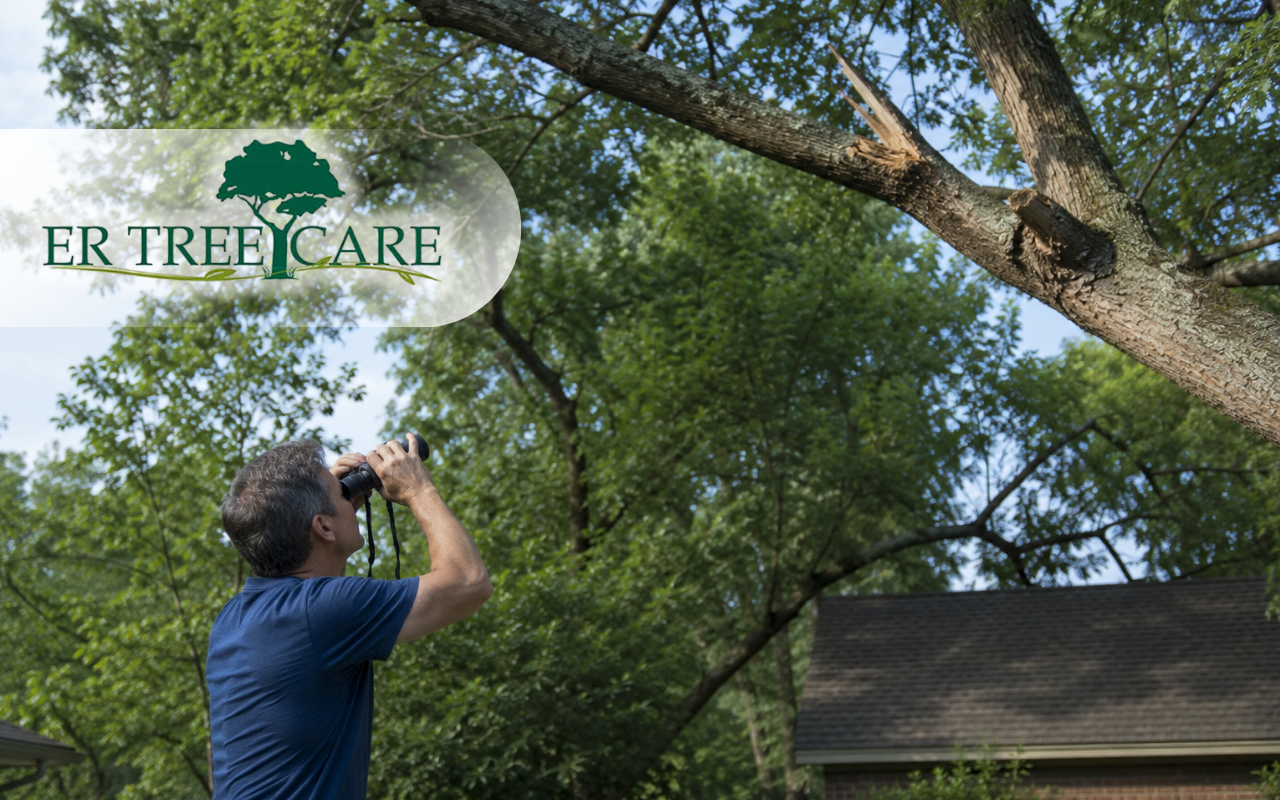
Before any tree limb removal, walk around the tree and look for cracks, decay, split bark, or loose wood. These signs may show that a branch could fall without warning.
Also, check what sits below the limb. Roofs, cars, fences, play areas, and power lines raise the risk. Look at nearby branches too, because one falling piece can strike another and change its path. Our guide to warning signs that need professional pruning can help you spot problems early.
- Look for dead wood, peeling bark, and deep cracks.
- Keep people and pets away from the work area.
- Avoid cutting near power lines or weak trunks.
Choose Tools That Match Each Branch Size Safely
The right tool helps you make clean cuts with less effort. Use hand pruners for thin twigs, loppers for medium branches, and a pruning saw for thicker wood. Test every tool before starting, and keep both hands in a steady position.
Heavy tree limbs often need a chainsaw, rope system, or lift. These tools require skill and control. Review our tree trimming tool guide before choosing equipment for the job.
- Wear gloves, eye protection, and sturdy boots.
- Use sharp, clean blades for smoother cuts.
- Never use damaged ladders or loose safety gear.
Use Proper Cuts To Protect Long-Term Tree Health
Small branches should be cut just outside the branch collar. This raised area helps the tree close the wound. Avoid cutting too close to the trunk or leaving a long stub.
For large limbs, use three cuts. First, make a small cut underneath. Next, cut from the top farther out. Finally, remove the short section near the collar. This method reduces bark tearing while the branch comes down.
Handle Broken And Hanging Tree Branches With Caution
Broken tree limb removal becomes more dangerous when wood is twisted, split, or under pressure. Hanging tree branches can move suddenly, even when they look stable.
Never stand below a damaged limb. Keep a wide space around the drop zone. Watch for bent branches that may spring back after a cut. Dangerous tree limbs near buildings, roads, or wires should be handled by trained professionals with safe lowering equipment.
- Do not pull cracked limbs by hand.
- Do not climb a storm-damaged tree.
- Stop work when wind or rain begins.
Know When Professional Help Becomes The Safest Choice
Some branch jobs are not safe for home tools. Large branches, high cuts, weak trunks, and limbs over roofs can cause serious damage if they fall the wrong way.
With ER Tree Care, you get clear guidance before work begins. Our professional tree trimming service supports safer cuts, better control, and proper cleanup for difficult projects.
Clear And Reuse Branch Debris In Responsible Ways
After you remove fallen branches, sort the debris by size. Small twigs can become mulch or compost. Larger pieces may be cut for firewood where local rules allow. Do not burn fresh wood near homes, dry grass, or stored fuel.
Check local yard waste rules before placing branches at the curb. Bundling wood neatly can make pickup easier. For bigger projects, our tree service cost guide explains what can affect cleanup and labor needs.
Frequently Asked Questions
Can Homeowners Remove Small Limbs Safely?
Yes, many small, low branches can be removed with clean hand tools. Keep both feet stable, stay clear of falling wood, and avoid any branch near power lines.
When Is A Tree Limb Too Heavy?
A limb is too heavy when you cannot control its fall or support its weight. Heavy tree limbs above property or people should be handled by professionals.
Should Cuts Be Covered With Tree Sealant?
Most healthy trees do not need sealant after normal pruning. A clean cut near the branch collar usually heals better without added coating.
What Should I Do After Storm Damage?
Keep away from cracked trees and hanging wood. Take photos from a safe place, then arrange an inspection before beginning broken tree limb removal.
How Often Should Trees Be Checked?
Inspect trees after strong storms and at least once each season. Regular checks help you find weak branches before they become larger safety concerns. Early action can also protect nearby plants, roofs, and walkways.
Keep Your Property Safer Through Regular Planned Care
Good tree limb removal starts with patience, the right tools, and honest limits. Small work may be simple, but risky branches need training and proper equipment.
At ER Tree Care, we focus on safe choices and healthy results. When a branch feels too high, heavy, or unstable, use our tree care contact page to request dependable support.