

What Tool To Use To Trim Trees for Best Results
Whether you’re a homeowner maintaining your backyard or a professional arborist, knowing what tool to use to trim trees is key to safe and effective pruning. Using the wrong tool can damage the tree, or worse, injure you. At ER Tree Care, we guide our clients toward the right tools and techniques for every type of tree trimming task.
Basic Tree Trimming Hand Tools Every Homeowner Needs
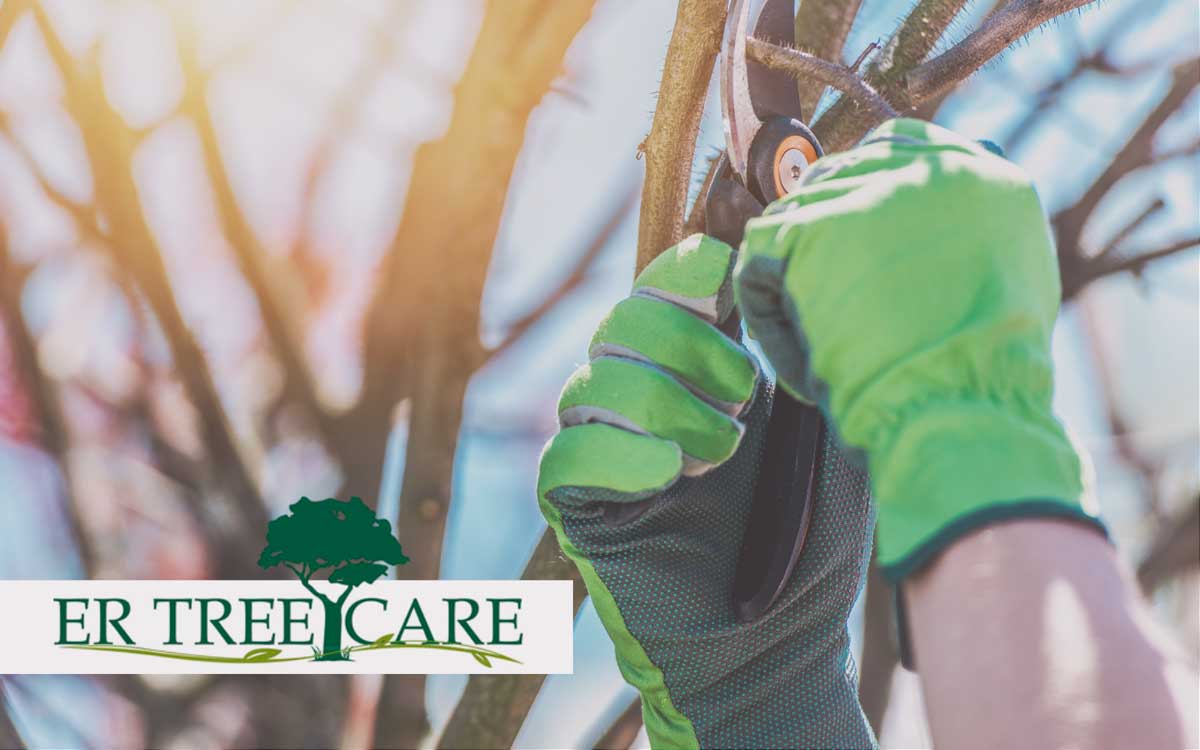
If you’re handling small to medium-sized branches, tree trimming hand tools are your best friend. Start with bypass pruners for light cuts on fresh growth. Loppers extend your reach and are ideal for thicker, more stubborn branches. A sharp pruning saw handles anything above 2 inches in diameter and offers excellent control when cutting near trunks or joints.
Clean tools are essential. Dull blades tear bark and increase the risk of infection. Always sanitize and sharpen your tools before and after use to ensure clean cuts that heal quickly.

Best Tree Branch Cutter Options for Medium to Large Limbs
If you’re trimming trees with larger limbs, you’ll need heavier-duty equipment. Standard tree branch cutter options include bypass loppers, compound loppers, and hand saws. For limbs larger than 3 inches, curved pruning saws provide better control and smoother cuts.
For professionals or advanced DIYers, gas-powered or battery-operated chain pole saws can handle thick limbs higher up. Just be sure you know how to operate them safely—or call ER Tree Care to avoid the risk.
Trimming Tools for Tall Trees
Trimming tall trees without climbing is possible—and safer—if you have the right gear. Trimming tools for tall trees include telescoping pole pruners and pole saws that extend up to 20 feet. Choose fiberglass poles for strength and a cutting head with both a saw and pruner for flexibility.
If the branches are beyond reach or located over power lines or roofs, it’s best to call a certified tree care expert. ER Tree Care has the training, tools, and insurance needed for those high-risk tasks.

Tips for Choosing the Right Tree Trimming Tool
Not sure which tool you need? Consider the size of the branch, your access height, and how frequently you plan to trim. For routine home maintenance, hand tools and pole pruners are typically enough. But for seasonal overhauls, dense trees, or storm cleanup, professional-grade tools—or professional services—are a must.
At ER Tree Care, we assess your tree’s size, structure, and species before selecting the proper method. Whether it’s shaping ornamentals or clearing deadwood from oaks, the right tool helps you do the job safely and efficiently.
FAQs – What Tool To Use To Trim Trees
What tools are best for trimming high branches?
Use telescoping pole pruners or pole saws for safe access. If branches are too large or high, ER Tree Care can handle the job safely with professional equipment.
Can I trim trees myself using hand tools?
Yes, for small to medium branches. Tree trimming hand tools like pruners, loppers, and pruning saws work well for basic care. For taller trees or larger cuts, professional help is recommended.
How do I know what branch cutter to use?
It depends on the size of the branch. Use pruners for thin growth, loppers for mid-size limbs, and saws or chain pruners for thick cuts. Contact ER Tree Care if you’re unsure—we’re happy to recommend the right tools or handle it for you.
Need Help with Tree Trimming? Let ER Tree Care Handle It

Using the right tools protects both your trees and your safety. But when in doubt—or when the job gets too big—ER Tree Care is here to help. We offer expert tree trimming, pruning, and removal services tailored to your property’s needs.
Call now to schedule a professional trim or get guidance on the right equipment for your trees.