


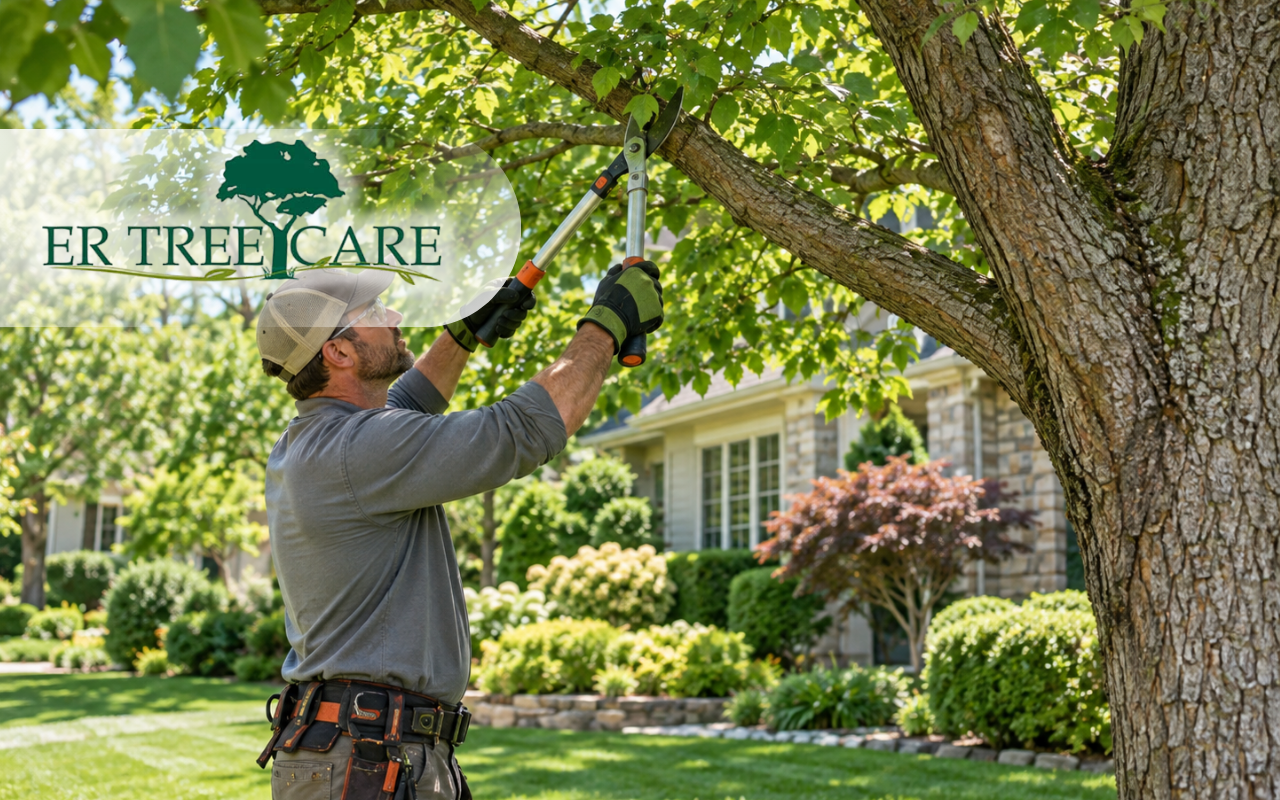
Easy Tree Maintenance Steps for Lasting Landscape Health
Healthy trees can make a yard feel cooler, greener, and more welcoming. Good tree maintenance starts with simple habits that support roots, branches, and soil through every season.
At ER Tree Care, we believe steady care is easier than fixing major problems later. With regular checks, smart watering, and timely pruning, you can protect your landscape and enjoy stronger trees for years.
Choose Trees That Fit Your Local Landscape Conditions
Strong results begin with the right tree in the right place. Before planting, check sunlight, soil drainage, available space, and local weather. Well-adapted species often need less extra care.
Consider mature height and width, too. Good placement supports routine tree care and reduces future pruning problems. Our practical tree care guide shares more simple ways to plan for healthy growth.
Use the Right Tools for Safer Tree Care
Basic tools can make tree work safer. Wear gloves and eye protection when working near branches, and avoid tasks that require climbing beyond your comfort level.
- Pruning shears for small twigs and light growth
- Loppers for thicker branches within safe reach
- A pruning saw for larger, manageable limbs
- A hose or moisture tool for watering checks
For high, heavy, or damaged limbs, professional tree maintenance is the safer choice. With ER Tree Care, you can get help when the work requires proper equipment, experience, and a closer safety review.
Plan Seasonal Tree Care Around Each Tree’s Needs
Seasonal tree care helps you avoid missing key tasks. During summer, watch soil moisture and signs of pests. In fall, clear heavy leaf buildup and prepare roots for cooler weather.
- Check new growth and branch condition in spring
- Water deeply during dry summer periods
- Remove damaged limbs after strong storms
- Protect sensitive roots during cold weather
Because every species responds differently, timing should match the tree. Our year-round tree care essentials can help you build a simple schedule for steady tree health maintenance.
Water Trees Deeply to Support Strong Root Growth
Deep watering encourages roots to grow farther into the soil. Young trees usually need more frequent attention, while established trees often do better with slower, less frequent watering. Keep the root area moist, not constantly wet.
Check the soil before adding water, especially after rain. Consistent watering is an important part of tree maintenance because stressed roots can weaken the whole tree.
Mulch Correctly to Protect Soil and Tree Roots
Mulch holds moisture, limits weeds, and protects roots from temperature changes. Spread an even layer around the base, but leave space around the trunk. Mulch piled against bark can trap moisture and create problems.
- Use clean organic mulch such as shredded bark
- Keep mulch away from direct trunk contact
- Refresh the layer when it becomes thin
Mulching works best when combined with good watering and regular checks. Keep grass and weeds from crowding the trunk area, since they compete for moisture and nutrients. These small steps support tree health maintenance while making routine tree care easier to manage across the year.
Prune Carefully to Keep Branches Strong and Safe
Pruning removes dead, damaged, or crossing growth and can improve the tree’s structure. During branch inspection, look for cracks, weak joints, hanging limbs, or areas that rub together. Early action can prevent larger hazards.
Make clean cuts near the branch collar and avoid removing too much live growth at once. For larger work, our tree trimming service information and tree pruning guidance explain when trained help may be useful. At ER Tree Care, we focus on safe choices that protect both trees and property.
Frequently Asked Questions
How often should I check my trees?
Check trees monthly and after storms. Look for broken branches, leaning changes, bark damage, or unusual leaf loss.
When is the best time to prune?
Many trees handle structural pruning well during dormant periods, while damaged limbs may need faster attention.
How can I tell if watering is enough?
Soil below the surface should feel moist, not soaked. If the root area is dry several inches down, a slow, deep watering may help.
Why does branch inspection matter?
Regular branch inspection can reveal cracks, dead wood, weak unions, or storm damage before a limb fails. Early action can reduce risk around homes, vehicles, and walkways.
When should I call a tree professional?
Call for help when limbs are large, high, near power lines, or clearly unstable. A trained team can also assess decay, lean, and root problems.
Build a Healthier Landscape With Consistent Tree Care
A beautiful landscape depends on regular attention, not complicated routines. Smart watering, careful pruning, mulch, seasonal checks, and tree maintenance all work together to support stronger growth and a safer yard.
When you need professional tree maintenance, our team at ER Tree Care can help you decide the next step. Visit our tree care contact page to discuss concerns, schedule an evaluation, or ask about the right care for your trees.